Does Strength Training Raise Testosterone After 50?

In brief

Do not lift primarily to chase a permanent testosterone increase. A systematic review in men 60 and older found no significant pooled increase in basal testosterone from resistance training, even though strength training still improves muscle, function, and health [1].
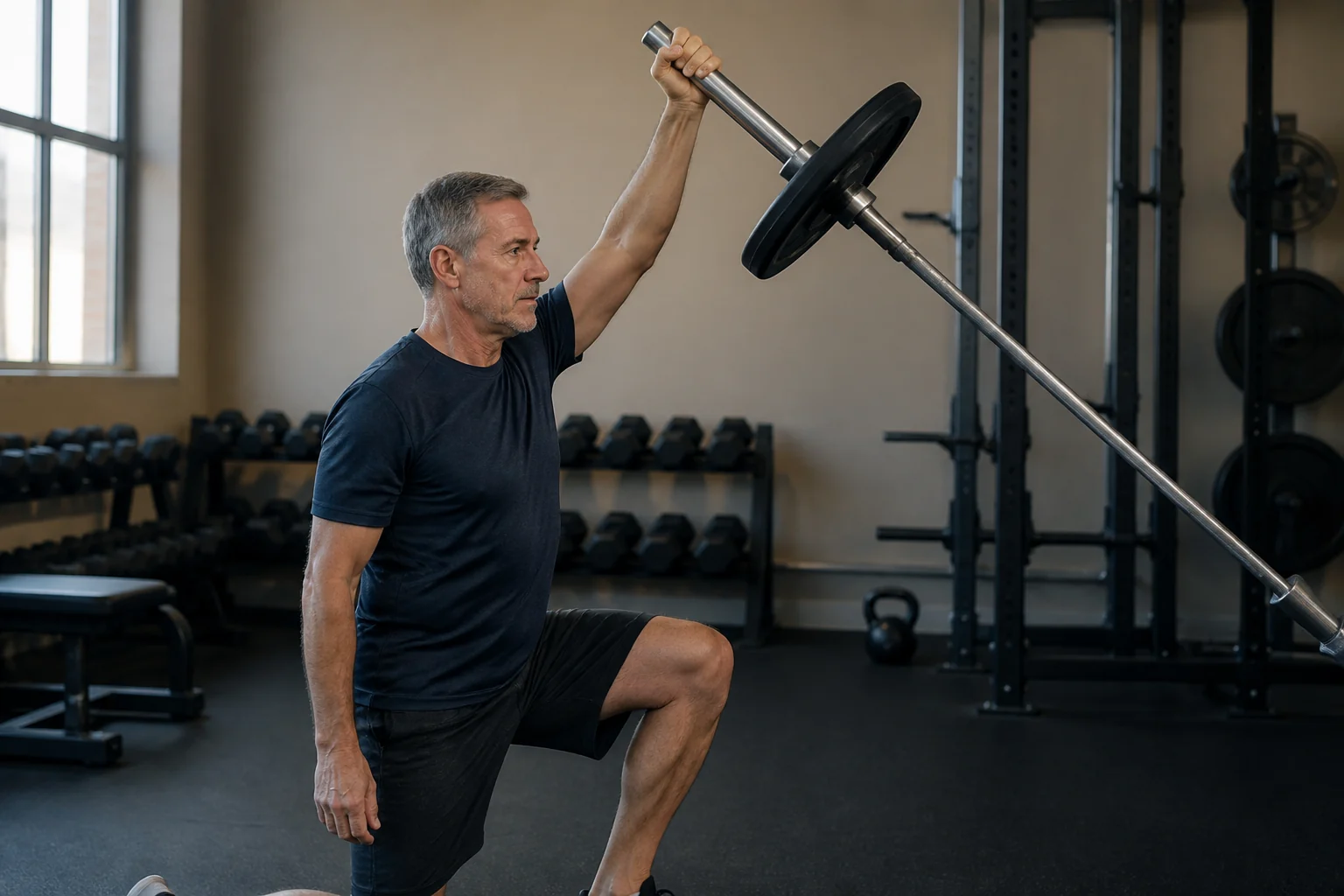
A man in his fifties performs a controlled landmine press at the gym.

Hormones can change briefly after a workout, but that is different from raising resting testosterone long term. The training benefits are real even when a lab value does not move [1].

Separate acute from basal changes

A post-workout hormone spike is temporary and does not prove that a program treats low testosterone. Claims often blur these two measurements.

Train for outcomes you can control

Progressive overload, enough food, sleep, and consistency influence strength and body composition directly. Use performance and function as the main feedback.

Treat symptoms clinically

Persistent sexual symptoms, marked fatigue, loss of body hair, or other concerns deserve medical assessment. Exercise is not a diagnostic test or replacement for indicated treatment.

Questions this raises

From the Dorsi blog

Sources we drew from

  1. 1

    Lawrence D. Hayes et al. · 2019 · Frontiers in Physiology

    Resistance training did not significantly raise basal testosterone in the pooled studies of men aged 60 and older.

  2. 2

    Brad S. Currier et al. · 2026 · Medicine & Science in Sports & Exercise

    The ACSM position stand prioritizes regular, individualized resistance training of all major muscle groups at least twice weekly.

A workout plan that keeps up with real life.

  • Built around your goal — every session belongs to the same direction.
  • Fits today's conditions — time, physical state, and equipment shape the work.
  • Updates what comes next — training feedback keeps the plan moving with you.

See how Dorsi builds a personalized workout plan around your goals and current conditions.

Related topics